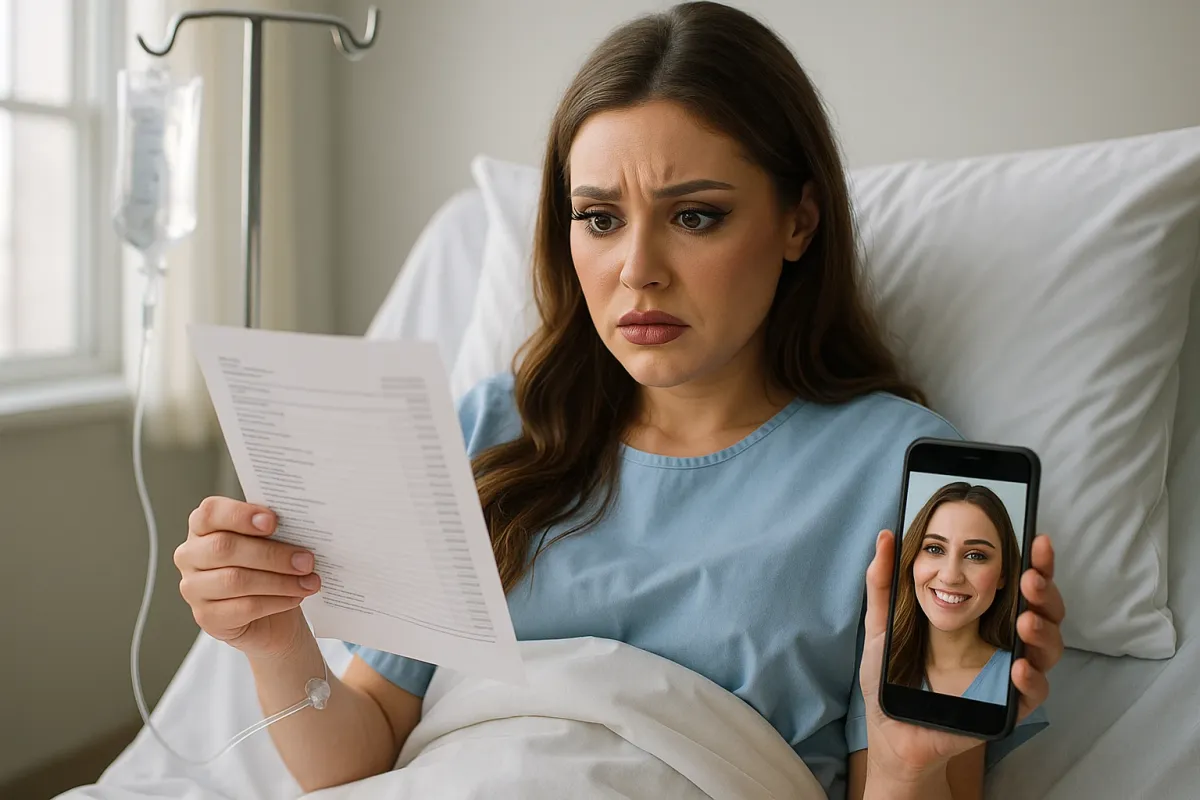
Everyone’s losing it over wild beauty moments online—from Gwendoline Christie’s “lice habitat” hair at the Fashion Awards to makeup fails that look like they were blended in the dark. The internet will drag a bad look for 24 hours and then move on. But you know what doesn’t disappear that fast? A medical bill from a botched treatment, allergic reaction, or salon accident.
With bizarre hair looks and extreme beauty trends trending hard right now, there’s a hidden story nobody’s posting in the comments: who pays when a beauty experiment goes wrong? If your weekend glow-up turns into an ER visit, you need more than a good concealer—you need the right insurance game.
Let’s break down how to stay fully covered while living your best, boldest, viral-ready life.
1. Salon Disasters Are Real Injuries—Here’s How Insurance Actually Sees Them
Those “No Words” hair catastrophes and brutal makeup fails are hilarious until there’s chemical burn, scalp damage, or an eye infection. If a stylist uses the wrong product, leaves bleach too long, or glues lashes where they definitely don’t belong, that’s not just bad service—that can be bodily injury in the insurance world.
If you end up needing a doctor, your health insurance is your first line of defense, but don’t sleep on liability coverage from the salon. Many salons carry general liability or professional liability insurance specifically for this kind of thing. If you’re injured because they messed up, you may be able to claim for medical bills, lost income, and sometimes even pain and suffering. Pro tip: document everything like it’s going viral—photos, dates, receipts, and messages with the stylist. The more “receipts” you have (literally and figuratively), the stronger your claim if you need to go after the salon’s insurer.
2. Cosmetic Procedures: Why “Just a Little Filler” Could Be a Huge Insurance Gap
Beauty culture right now is all about transformations: fillers, Botox, laser treatments, “baby” facelifts, lip flips, and everything in between. But here’s the plot twist no influencer reel is highlighting: most standard health insurance plans don’t cover elective cosmetic procedures—or the complications that come with them, unless they’re medically necessary.
That means if your “quick” lip filler causes a vascular complication or an infection that lands you in the hospital, you could be staring down brutal out-of-pocket costs. If you’re booking injectables or surgery, ask the clinic straight up:
- Do you have complication coverage or a specific insurance policy for adverse outcomes?
- What happens financially if I need emergency revision or hospital care?
- Are your practitioners individually insured for malpractice?
Some reputable clinics work with third-party insurers that specifically cover cosmetic complications. If the place you’re going shrugs, dodges, or acts offended when you ask about insurance, that’s your sign to walk—glow intact.
3. Influencer-Backed Products, Real-Life Allergic Reactions: Protecting Your Skin and Your Wallet
From viral hair dyes to “miracle” serums and budget lash kits, social feeds are packed with products that look amazing in edited lighting. But behind the scenes, dermatologists are seeing a spike in contact dermatitis, chemical burns, and infections from unregulated or misused products. And no, “TikTok made me do it” doesn’t get you a discount at urgent care.
Here’s the insurance twist: most reactions are treated as standard health issues, covered (with deductibles and copays) by your health insurance. But if a product was contaminated, falsely labeled, or truly unsafe, it may cross into product liability territory. That’s when the manufacturer’s or seller’s insurance may come into play. Save the packaging, batch numbers, receipts, and photos of the reaction. If a doctor explicitly links the reaction to the product, you’re in much stronger shape to pursue compensation. When you see someone posting a brutal reaction on social media, know that behind the chaos, there’s often a very real insurance story unfolding.
4. Side Hustle Stylists & Kitchen-Table Glam: Why You Need to Ask the Most Unsexy Question
Everyone knows at least one person who does hair, nails, lashes, or makeup at home: cheaper, faster, and sometimes better than a salon. But here’s the savage truth—a lot of side-hustle beauty pros are working with zero insurance. That’s fine when things go right. It’s a financial horror show if they don’t.
If a lash tech glues your eyes shut, a nail tech gives you a nasty infection, or a DIY chemical peel goes sideways in someone’s living room, you may be stuck paying for all of it yourself if they have no professional liability or business insurance. Ask the question nobody wants to ask:
“Hey, do you carry insurance for your services?”
Legit pros will usually say yes and can name their insurer. Many use beauty-specific policies designed for mobile and home-based services. If the vibe instantly gets defensive, that’s your red flag. You’re putting your face, eyes, and health on the line—asking about insurance is basic self-preservation, not an insult.
5. Going Viral? Your Content Might Be Covered Too (But Only If You Plan Ahead)
If you’re posting beauty content—reviews, tutorials, or “I tried this wild trend so you don’t have to”—you’re not just a consumer anymore. You’re edging into creator / micro-influencer / side-business territory, whether you feel like it or not. And that opens a whole other insurance door most people never consider.
Say you review a new product, it causes a bad reaction, you drag the brand in a video, and they clap back legally. Or a follower claims they were harmed copying your DIY hack. That’s where professional liability or media liability insurance becomes your behind-the-scenes bodyguard. Some creators even bolt this onto:
- A home-based business policy
- A content creator / influencer policy
These can help cover legal fees if a brand or individual claims your content hurt their reputation or caused financial harm. If you’re making consistent income from brand deals, affiliate links, or ads, it’s time to start thinking of yourself as a business—and businesses should not be running around uninsured.
Conclusion
Right now, the internet is obsessed with extreme hair, outrageous makeup, bizarre red-carpet looks, and viral beauty fails. We roast the aesthetics—but ignore the financial and medical chaos that sometimes lurks under the surface. Every bleach job, filler appointment, lash session, and skin experiment carries risk, and when things explode, insurance is the only thing standing between you and a five-figure bill.
Before your next glow-up, ask the unglamorous questions:
- Are they insured?
- Am I insured if this goes sideways?
- What does my health plan actually cover if I react badly?
Your look can be edgy, experimental, and wild. Your insurance strategy should be the opposite: boring, solid, and bulletproof. That way, when your next transformation hits the feed, the only thing melting down is the comment section—not your bank account.
Key Takeaway
The most important thing to remember from this article is that this information can change how you think about Insurance Tips.