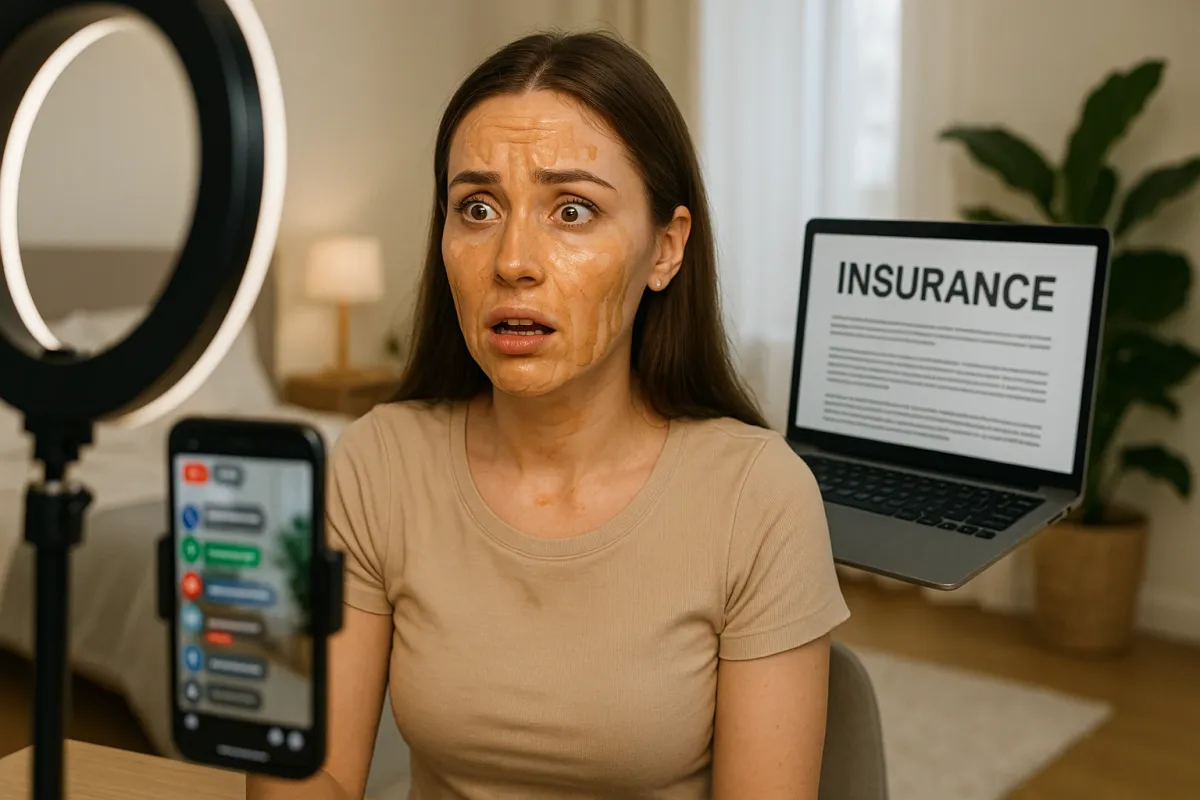
If you’ve scrolled TikTok or Instagram this week, you’ve definitely seen it: brutal “before and after” shots from the Bad MakeUp Artists subreddit getting screen‑recorded, stitched, and roasted into oblivion. We’re talking foundation masks, orange necks, smeared eyeliner, and wedding looks that honestly should come with a trigger warning. It’s messy, it’s meme-worthy—and it’s also a perfect reality check: when a beauty fail ruins your big day (or your face), does your insurance have your back, or are you just stuck with screenshots and regrets?
Inspired by the viral coverage of makeup disasters and “Instagram vs. Reality” reveals, let’s flip the script. Instead of just laughing at the chaos, we’re breaking down which types of coverage actually matter when a glam session goes horribly, horribly wrong—especially if you’re booking pros through apps, studios, or pop-up salons.
Here’s your coverage guide to surviving the next viral-level beauty disaster with your wallet (and your skin) protected.
1. When Your Face Is the Canvas, Liability Coverage Is the Frame
Those viral makeup fails where people end up with chemical burns, allergic reactions, or scratched corneas from lash glue aren’t just tragic content—they’re walking, talking reminders that liability insurance is non‑negotiable for beauty pros.
If you’re a makeup artist, esthetician, or beauty influencer taking clients:
- You need professional liability (errors & omissions) to cover claims that your work caused harm—think infections from dirty brushes, reactions to products, or a “permanent” brow job that’s anything but.
- You also need general liability for “oops” moments: a client trips over your ring light stand, gets burned by your curling iron cord, or slips in your at‑home studio.
If you’re the client:
- Don’t be shy—ask if your artist is insured. A legit pro won’t flinch when you ask.
- Booking through a platform? Check the fine print. Some apps and beauty marketplaces include platform‑level insurance, but coverage can be limited or exclusions-heavy.
- Screenshot contracts, DMs, and receipts. If something goes wrong, that’s evidence.
The new rule of glam: no coverage, no booking. If your artist can’t protect themselves, they probably can’t protect you either.
2. Viral Bride, Ruined Look: When “Just Makeup” Becomes a Real‑World Loss
Those stories of wedding makeup disasters—where brides end up looking nothing like the trial, cry off their liner in the parking lot, and pay double to call in an emergency artist—aren’t just emotional nightmares. They’re financial ones too.
Here’s where coverage quietly sneaks onto the scene:
- Event or wedding insurance can sometimes cover “vendor no‑shows” or “failure to perform.” If your MUA cancels last minute or completely botches the job and refuses to fix or refund, event coverage may help offset your loss.
- If your dress, veil, or accessories get ruined by a product spill (hello, foundation on silk), check your homeowners or renters policy—your stuff could be covered even while away from home.
- Flying a glam squad in for a destination wedding? Travel insurance with “trip interruption” or “vendor issues” provisions can sometimes help if your glam plans implode and you need emergency replacements.
The pro move:
When you’re planning a high‑stakes day—weddings, graduations, professional shoots—don’t just lock in your stylist. Lock in your event coverage. Screenshots fade, but policies pay.
3. Beauty Side Hustle? Your Home Studio Probably Isn’t Covered (Yet)
Thanks to social media, a ton of creators have turned their spare room into a mini glam studio, taking clients for:
- Bridal trials
- Prom looks
- Editorial or cosplay makeup
- On‑camera influencer shoots
But here’s the catch: your standard renters or homeowners policy usually does NOT cover business activities.
That means if:
- A client falls on your stairs
- A ring light sets curtains on fire
- An extension cord trips a guest and they break a wrist
…your personal policy can absolutely deny the claim, because it happened in a business context.
To plug that gap:
- Ask your insurer about a home‑based business endorsement or separate business owner’s policy (BOP) specifically for beauty services.
- If you’re renting a chair in a salon, confirm whether the salon’s policy covers you or if you need your own.
- If you travel to clients (weddings, hotel rooms, shoots), ask about mobile or on‑the‑go professional coverage.
If you’re going to post “booked and busy” on TikTok, make sure your insurance doesn’t still think you’re just working from home in sweatpants.
4. Skin in the Game: When a “Simple Reaction” Turns Into a Medical Saga
Those chilling before-and-after posts where someone’s face swells, peels, or blisters after a makeup session are more than cringe—they’re a fast track to urgent care, dermatologists, and sometimes long-term treatment.
Here’s where coverage becomes your quiet superhero:
- Health insurance is your front line for emergency care, prescriptions, and specialist follow‑ups.
- If the reaction was due to negligence—like using expired products or ignoring disclosed allergies—your medical bills could become part of a liability claim against the artist or salon.
- Keep photos, timelines, product lists, receipts, and any written advice you were given. If your skin doesn’t bounce back, that documentation becomes crucial.
- Some credit cards offer purchase or service protections—check if you paid with a card that can dispute faulty services.
If your face becomes the “before” photo in a viral warning post, you don’t just need sympathy—you need a clean path from urgent care to claim payout. That happens when your medical coverage and the artist’s liability coverage are both in play.
5. From Bad Beat to Big Platform: Influencers Need Coverage Too
Let’s be real: the Bad MakeUp Artists subreddit and viral TikToks aren’t just cautionary tales—they’re content gold. Influencers are reacting, duetting, and sometimes even doing “fixing this disaster” videos. Some creators then get pulled into drama, backlash, or even defamation threats from artists who don’t like being named and shamed.
If you’re an influencer, beauty reviewer, or content creator:
- Look into media liability or content creator insurance that can help if someone claims your video damaged their reputation or business.
- Use disclaimers and be super clear on what’s opinion vs. statement of fact.
- Your gear (lights, cameras, pro kits) might not be fully covered under a normal renters policy if it’s used for business—ask about business personal property coverage.
The content economy is wild right now. If your platform is big enough to send a bad MUA viral, it’s big enough to need real coverage behind your clapbacks.
Conclusion
The flood of viral makeup fails and “Instagram vs. Reality” posts isn’t just entertaining—it’s a live‑streamed lesson in how fast a beauty moment can turn into a money, health, or legal problem. From brides with ruined looks to clients with chemical burns and creators caught in call‑out crossfire, the message is loud and clear:
If glam is on the line, coverage needs to be in the room.
Whether you’re:
- Booking a makeup artist for the biggest day of your life
- Turning your side hustle into a home studio
- Or building a beauty brand online
Don’t just ask, “Will this look good on camera?”
Ask, “If this goes viral for the wrong reason, who’s actually covered?”
Because in 2025, the real glow‑up isn’t just flawless makeup—it’s knowing your insurance won’t flake the moment things get messy.
Key Takeaway
The most important thing to remember from this article is that this information can change how you think about Coverage Guide.