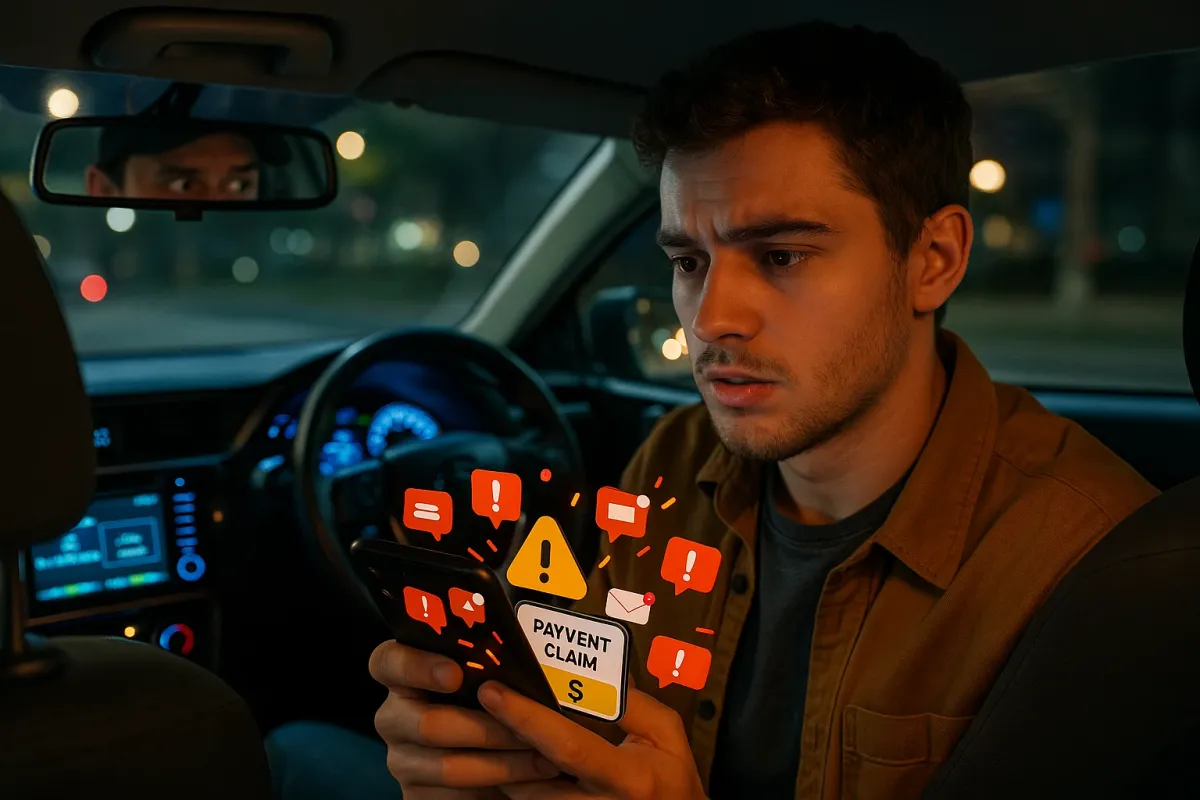
If you’ve ever walked out of an Uber thinking, “Wait, what happens if we crash right now—am I even covered?” you’re not alone. With rideshare mishaps, TikTok confessionals, and “Overheard in Uber” Insta accounts exploding online, the behind-the-scenes chaos of insurance claims is finally getting mainstream attention.
But here’s the plot twist: those chaotic stories are also dropping MAJOR lessons about how to hack the claims process so you’re not left on read by your insurer when it really counts.
Inspired by all those wild Uber ride convos (yep, like the “35 ‘Overheard’ Conversations During Uber Rides” posts that are trending again), we’re diving into the reality of modern claims—rideshare, auto, and beyond—and turning it into a playbook you’ll actually want to share.
1. That “Whose Insurance Pays?” Question in Your Uber Is 100% Valid
Those awkward Uber convos where the driver says, “Don’t worry, I’m fully covered” while the car barely has a bumper? Yeah, that’s your sign to care deeply about claims before anything happens.
With companies like Uber and Lyft, coverage can flip like a light switch depending on the driver’s status:
- App off? Personal auto insurance only.
- App on, no ride accepted? Limited commercial coverage from the platform.
- On a trip with you in the car? Typically higher liability limits from the rideshare company kick in.
But here’s the catch: if there’s an accident, you might be ping-ponging between the driver’s insurer and the rideshare company. Claims reps can argue about who’s on the hook, and that’s where your documentation becomes your superpower. Screenshots of the ride, timestamps, driver details, even an “I’m in an Uber” text to someone—these tiny receipts can speed up who pays (and how fast).
Shareable takeaway: Post-ride selfies are cute. Post-ride digital receipts? Potentially worth thousands in a claim.
2. Screenshots Are the New Witnesses (Yes, Even Your Uber Rating)
In the age of viral receipts and “exposing” bad actors on social, digital proof has become king in the claims world. When something goes wrong during a trip—rideshare, delivery, or even a rental—your phone can hand you an instant edge.
Here’s what claims adjusters are quietly obsessed with right now:
- Trip logs from apps (Uber, Lyft, DoorDash, etc.)
- Map screenshots of your route
- Messages exchanged with drivers inside the app
- Time-stamped photos or short videos of the damage/scene
- Your final receipt, showing date, time, and vehicle details
That 4.98 passenger rating? It low-key helps establish that you’re not the chaos factor in the situation. Insurers are increasingly cross-referencing app data and telematics when investigating claims. If your story matches the digital breadcrumbs, your claim often moves faster and cleaner.
Shareable takeaway: “New rule: If it’s not screenshotted, it didn’t happen—for claims, anyway.”
3. Your First Call After a Crash Can Make or Break Your Payout
Those overheard Uber convos about “I’ll just let them call me if they need something” are basically a claims horror trailer.
When something happens—whether you’re in your own car or in a rideshare—what you do in the first hour is starting to matter more than ever:
- Call 911 if there are injuries or serious damage.
- Get a police report number whenever possible (insurers LOVE this).
- Collect names, plate numbers, and insurance info from every driver involved.
- Snap photos from multiple angles (cars, road, signs, weather, skid marks).
- Report the incident inside the rideshare app AND to your own insurer if you have personal coverage.
Insurers are leaning harder into “early reporting” as fraud rises and stories go viral. A fast, clear report from you? That’s gold. A foggy, late report with missing info? That’s a one-way ticket to delays, endless follow-ups, and maybe even a denial.
Shareable takeaway: “Future me will deal with it” is officially canceled. Future you wants a clean claim file.
4. Claims Reps Are Watching Social Media—So Post Smart, Not Spicy
Those viral TikToks like “Storytime: How My Uber Accident Turned Into a 6-Month Insurance Nightmare” get millions of views—and yes, insurers see them.
Claims teams and their legal departments are increasingly:
- Reviewing public social media posts that mention accidents
- Tracking down videos where people overshare about what really happened
- Using inconsistencies between posts and claim statements as leverage
If you brag online that you’re “totally fine” after an accident but later file for major injuries, that content can come back to haunt your claim. On the flip side, carefully documented, calm, factual posts (or no post at all) keep your story aligned and your settlement safer.
Shareable takeaway: Go ahead and post your “I survived that Uber ride” meme—just don’t contradict your own claim.
5. The Fastest Claims in 2025 Are Hybrid: Human + App
Here’s the glow-up: claims aren’t all hold music and fax machines anymore.
Triggered by all the real-time data from rideshare apps, telematics, and smartphones, insurers are racing to modernize how they handle claims:
- Many major carriers now offer in-app claim filing with guided photo capture.
- Some rideshare-related claims can start automatically when crash sensors detect impact.
- AI tools are giving instant “repair vs. total loss” estimates based on your photos.
- Digital payouts (think Venmo-style or instant deposit) are slowly replacing mailed checks.
- Tech to submit everything quickly and cleanly
- A real human (agent or adjuster) to clarify details, fight for fair value, and keep the case moving
But—and this is the part most people miss—the smoothest experiences happen when you use both:
The wild Uber conversations about “My friend got paid in two days” versus “My claim took eight months” usually come down to this blend: clean digital data + proactive human follow-up.
Shareable takeaway: Tap the app first, then tag in a human. That combo is the new claims cheat code.
Conclusion
Those weird, funny, sometimes terrifying Uber stories people are posting? They’re not just internet entertainment—they’re a live crash course in how modern insurance claims really work.
If you remember nothing else, remember this:
- Know who might be paying: rideshare company, driver, or your own insurer.
- Treat your phone like your personal claims assistant—screenshot everything.
- Move fast, document hard, and think twice before oversharing online.
- Use the tech your insurer offers, but don’t ghost the human side of the process.
Share this with that friend who takes five Ubers a day and has never once checked what their insurance actually covers. Their next “overheard in a ride” moment might be a claims story with a happy ending instead of a viral nightmare.
Key Takeaway
The most important thing to remember from this article is that this information can change how you think about Claims Process.