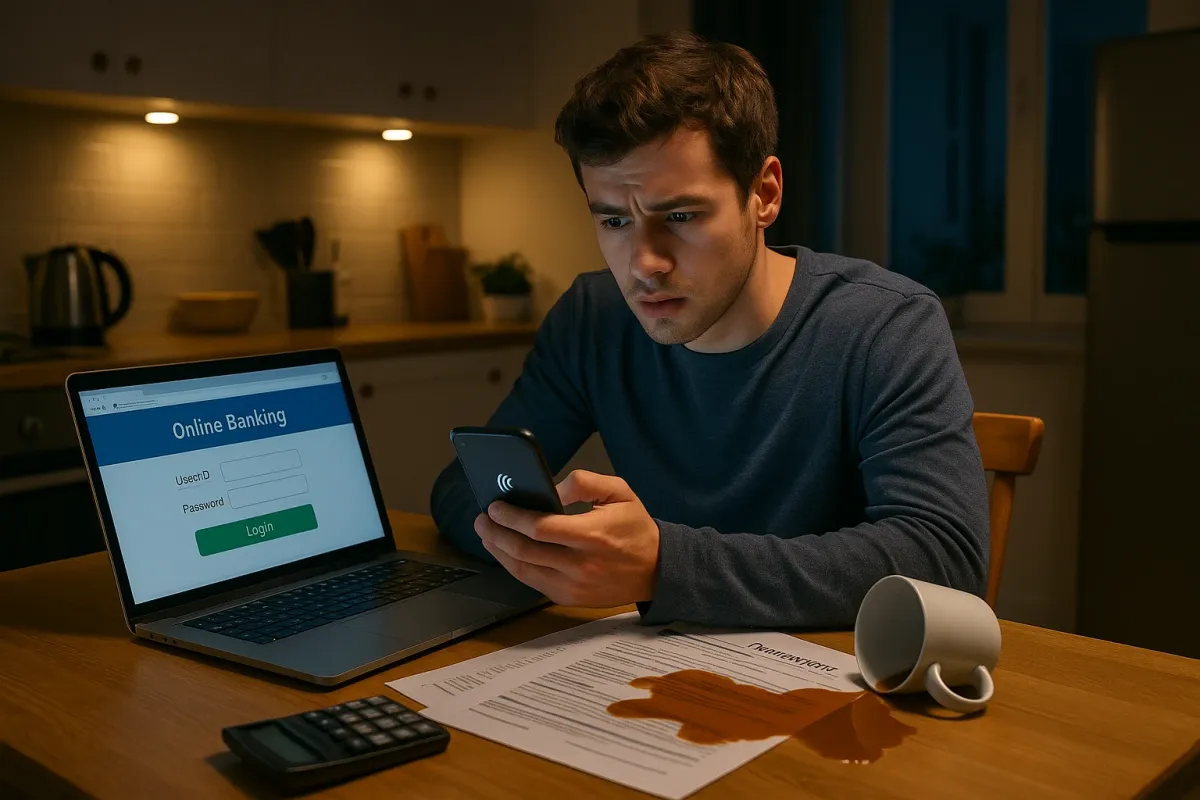
Online scam stories are everywhere right now—especially with Redditors spilling the tea on the wildest cons they’ve fallen for so others don’t. From fake “your package is delayed” texts to bogus accident calls about a “relative in trouble,” people are losing thousands in seconds… and then discovering their insurance isn’t the safety net they thought it was.
If you’ve ever shrugged off scam warnings or assumed “my bank or insurance will sort it out,” this is your wake‑up scroll. Let’s plug your coverage gaps before you end up as the main character in a r/Scams horror thread.
Below are five ultra-timely coverage angles inspired by the real scam chaos happening right now—and they’re exactly what insurance seekers are sharing, screenshotting, and sending to the group chat.
1. “Nigerian Prince 2.0” & Fake Investment Hype: What Your Policy Really Covers
Reddit’s scam thread is packed with people who got pulled into modern versions of classic cons: fake crypto platforms, “guaranteed” returns from slick Instagram traders, and convincing investment apps that vanish overnight. Spoiler: this usually isn’t something your standard renters, home, or auto insurance will reimburse.
Most personal insurance policies don’t cover money you voluntarily transfer, even if you were tricked. That means wiring cash to a fake “broker,” sending crypto to a scam wallet, or Zelle-ing that “too good to miss” investment tip is typically on you. Some banks and credit cards might help if it’s classified as fraud (like someone using your card without permission), but if you authorized the transfer—even under false pretenses—it becomes a legal and coverage gray zone. If you’re actively investing or chasing side-hustle cash, you need to know: your risk tolerance might be high, but your insurance protection probably isn’t.
2. “Your Relative Is In a Car Accident” Scam: Where Auto & Health Coverage Stop
Redditors also shared nightmare stories of getting calls claiming a sibling, partner, or parent had been in a serious accident and needed immediate payment for “urgent medical care” or “bail.” It’s designed to bypass logic and hijack your emotions—and it works way too often.
Here’s the coverage truth: if a real accident happens, your health insurance, auto insurance (PIP/medical payments in some states), and the at‑fault driver’s liability coverage are the primary players—not random phone payments to strangers. Hospitals don’t demand money over the phone within minutes of an incident, and legit law enforcement doesn’t ask for payment via gift cards, Venmo, or crypto. The scary part? Money sent in panic to scammers is almost never recoverable under any personal policy. The power move: know beforehand how your auto and health coverage work in a real emergency so you’re not emotionally blackmailed into paying for a fake one.
3. Delivery Texts, Fake Refunds & Phishing: Does Cyber Protection Have Your Back?
Those fake “Your package couldn’t be delivered, click to reschedule” texts, phony Amazon refund emails, and bogus streaming subscription notices are blowing up inboxes right now—and Reddit’s full of people who clicked, logged in, and watched their accounts get drained.
Standard renters or homeowners insurance is built around physical stuff: fire, theft, storms. They weren’t originally designed for digital scams, account takeovers, or identity theft. But the game is shifting. Some insurers now offer:
- Identity theft add-ons (covering things like legal help, credit monitoring, and some direct loss)
- Cyber protection endorsements for individuals (covering certain online frauds, data breaches, or social engineering losses)
- Special coverage for unauthorized electronic funds transfers
Here’s the catch: coverage is super specific. Some policies only cover unauthorized activity, not money you send after being tricked by a fake website or fake customer service rep. If your online life includes constant deliveries, multiple subscriptions, and digital banking, this is the moment to ask your insurer or agent, “What happens if a phishing scam empties my account?” and get that answer in writing.
4. Marketplace & “Side Hustle” Scams: When Your Side Gig Outgrows Your Coverage
Those Reddit scam stories aren’t just about individuals; a growing chunk involves small sellers, resellers, and side hustlers getting hit on platforms like Facebook Marketplace, Depop, and other resale sites. Think fake payment confirmations, chargeback fraud, or buyers claiming they never got the item and demanding refunds.
If you’re flipping sneakers, reselling electronics, or running a mini shop out of your living room, you might assume your renters or homeowners policy quietly covers your inventory. Not so fast. Many personal policies limit or exclude business property and don’t cover financial loss from scams or bad buyers at all. If your side hustle is generating real money, you might actually need:
- A home-based business endorsement
- A dedicated small business policy (BOP)
- Cyber or e‑commerce extensions if you’re handling online payments at scale
The line between “just selling a few things” and “I accidentally started a business” gets crossed fast. The moment you’d be upset if your inventory vanished—or if a scammer nuked your profits—you’re in “time to review my coverage” territory.
5. Group Chat Rule: If It’s Screenshot-Worthy, It’s Probably Coverage-Worthy Too
One of the best things coming out of that Reddit scams thread is people posting screenshots so others don’t fall for the same tricks. If it’s outrageous enough for you to screenshot and drop into the group chat, it should automatically trigger one more move: “Would my current coverage help me if this happened to me tomorrow?”
Ask yourself:
- If someone used my info to open accounts: Do I have identity theft coverage, or would I handle it solo?
- If my card or bank app got hacked: Does my bank’s fraud policy cover it fully, or only partially?
- If my business side hustle got scammed: Do I have any business or cyber coverage at all?
- If my phone or laptop was stolen during all this chaos: Is my device covered for full replacement, or just depreciated value?
Insurance shouldn’t just be paperwork you sign once and forget; it should be a live part of your online life strategy—right alongside password managers and two‑factor authentication. Think of coverage as your “last line of defense” if your digital defenses slip for even one stressed, sleepy, or distracted moment.
Conclusion
The Reddit scam confessions going viral right now aren’t just cautionary tales—they’re a real-time cheat sheet for where our coverage is behind the way we actually live, shop, work, and scroll.
If your money moves through apps, your work lives online, and your identity is basically a stack of logins, you can’t rely on old-school assumptions about what insurance will magically fix. This is your sign to:
- Audit your policies through a “what if I got scammed tomorrow?” lens
- Add or adjust cyber, identity theft, and business coverage where it truly matters
- Treat every viral scam story not just as content, but as a free stress test of your protection
You don’t have to live paranoid—but in 2025, you do have to live protected. Share this with the friend who always says “I’d never fall for that” and the one who definitely might.
Key Takeaway
The most important thing to remember from this article is that this information can change how you think about Coverage Guide.