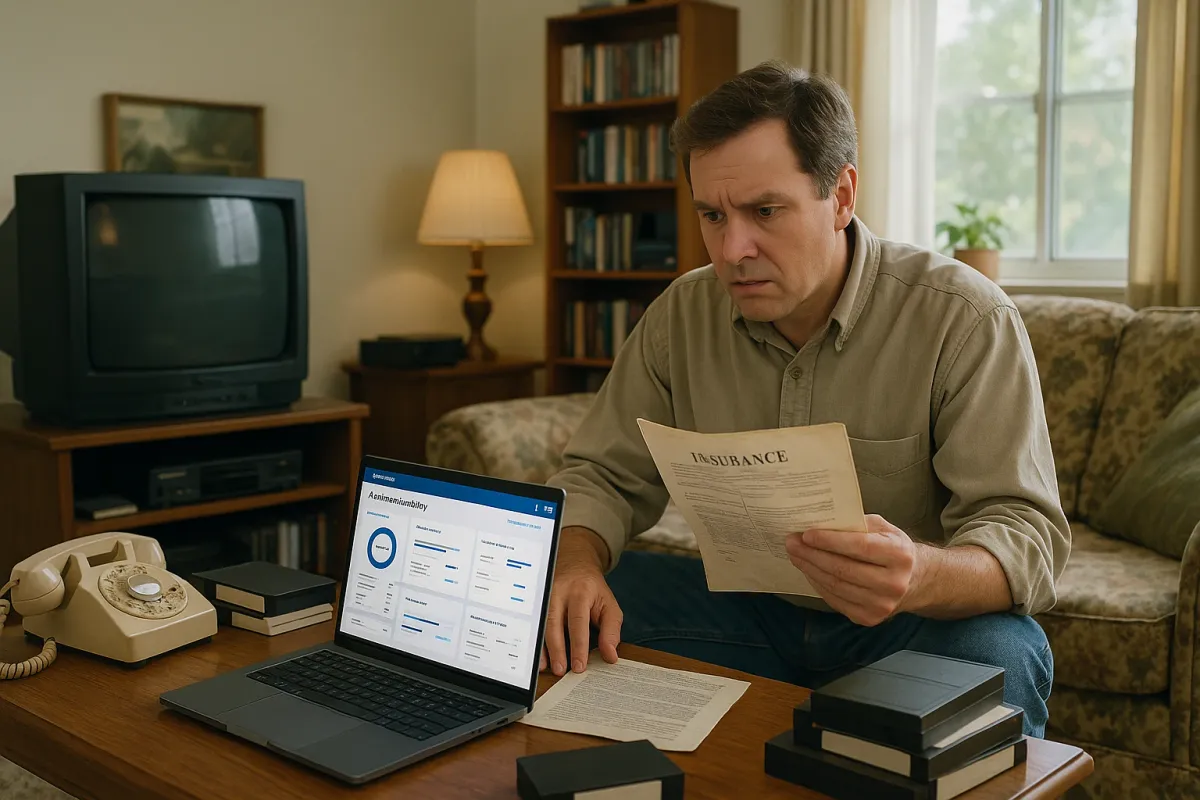
You’ve seen it all over your feed: viral threads of obsolete stuff that make you go, “Wow, I used to actually use that?” That’s exactly the vibe of Bored Panda’s trending post “40 Obsolete Things To Prove How Much The World Has Moved On And Changed.” From floppy disks to fax machines, the internet is collectively roasting the past—and loving it.
But here’s the twist: while we’ve ditched dial‑up and DVDs, a shocking number of people are still rocking insurance coverage that’s basically analog in a streaming world. If your tech, job, and lifestyle have leveled up but your coverage never got the memo, you might be living that “obsolete things” life without realizing it.
Let’s turn that around. Here’s your energetic, no‑dust‑allowed Coverage Guide inspired by the “Obsolete Things” trend—perfect for sharing with anyone who’s overdue for a policy glow‑up.
Coverage That Time Forgot: Stop Insuring a Life You Don’t Live Anymore
The “Obsolete Things” post hits hard because it reminds us how fast life changes—and how ridiculous old tools look in a new world. Insurance is the same. If your auto, home, health, or life policies were set up years ago and never touched, you might be insuring a version of yourself that doesn’t exist. New job? Side hustle? Remote work? Moved cities? Bought fancy gear? Had a kid? Your risk has changed—even if your policy hasn’t.
Start with a simple vibe check: when was the last time you actually reviewed your coverage line by line? If it’s been more than 2–3 years (or since a major life event), you’re probably overpaying for stuff you don’t need and under‑protecting the things you truly care about now. Think of it as deleting your MySpace and finally updating your LinkedIn—only this time, it’s your financial safety net.
From CDs to Cloud: Why Your Digital Life Needs Real‑World Coverage
One thing that jumps out in those “obsolete” photo threads: everything moved from physical to digital. Music, photos, work, memories—your life now lives in the cloud. But most people haven’t updated their coverage to match that shift. And yes, that’s a problem.
Your devices (phone, laptop, tablet, gaming PC) are high‑value targets for theft, damage, and cybercrime. Your home or renters insurance might cover some of it—but not always for full replacement cost, and not always for things like digital fraud or cyber extortion. Some insurers now offer add‑ons for digital assets and cyber protection, including coverage for hacked bank accounts, identity theft, or even ransomware events. If you’ve got thousands of dollars in tech and a life that runs on apps, it’s time to make sure your coverage speaks fluent digital, not dial‑up.
Side Hustles, Remote Work, and That “Oops, This Isn’t Covered” Moment
The world in those old photos? One job, one office, one paycheck. Today? You’re working remote, freelancing, selling on Etsy, content‑creating, or driving Uber on weekends. That’s amazing for income—and brutal if your coverage is still stuck in the “one 9‑to‑5 job” era.
Here’s the catch: most personal policies don’t fully cover business use. Your home insurance might not protect inventory stored in your spare room. Your auto insurance may exclude deliveries or rideshare driving unless you’ve added the right endorsements. Even your laptop might not be covered if it’s technically “business equipment.” This is where small business riders, professional liability, and rideshare endorsements come into play. If your career looks nothing like your parents’ did, your coverage shouldn’t either.
Your Stuff Got an Aesthetic Upgrade—Did Your Coverage Limit?
Those vintage objects trending online—old TVs, boxy computers, retro stereos—look adorable, but they were cheap compared to what we own now. Your current setup probably includes 4K TVs, studio monitors, gaming rigs, smart home systems, luxury sneakers, designer bags, or limited‑edition collectibles. Yet many people still carry the default personal property limits and basic categories that came with their first policy.
Some high‑value items (jewelry, art, watches, collectibles, cameras, instruments) often need scheduled coverage—a special itemized add‑on that covers full value and more types of loss. If you didn’t send your insurer photos, appraisals, or serial numbers for your priciest flexes, there’s a real chance they’re underinsured or not properly covered. That “obsolete” stereo you had in 2002? Forget it. Today’s gear is pricier, smarter, and riskier—and your coverage needs to know exactly what you own and what it’s worth.
Climate, Chaos, and the “That Never Used to Happen Here” Problem
Scroll any news feed and you’ll see it: “once‑in‑a‑century” storms happening every few years, wildfires suddenly hitting new regions, floods in places that “never flooded before.” The world in those nostalgic photos had fewer extreme weather headlines. Your coverage has to live in this world, not that one.
Standard homeowners or renters policies often don’t cover flood, sometimes exclude certain water damage, and may have special deductibles or limits for wind, hail, or wildfire in high‑risk areas. With weather getting weirder, it’s time to ask blunt questions: Do I need a separate flood policy? Am I in a high‑risk wildfire or hurricane zone? Are my deductibles realistic if disaster actually hits? As climate shifts, “that would never happen here” is becoming an obsolete belief—and a dangerous coverage gap.
Conclusion
That viral “Obsolete Things” trend is more than nostalgia—it’s a wake‑up call. We laugh at floppy disks and VHS tapes, but a lot of people are quietly running their entire financial safety net on policy settings from the same era.
Your life has evolved. Your work, tech, home, city, relationships, even the weather around you have changed. Your insurance coverage should move with you—not trail 10 years behind like an abandoned landline.
If this hit a nerve, don’t just scroll on. Screenshot, share, and then schedule your own Coverage Glow‑Up Session: review, update, and modernize your policies so they match the life you’re actually living right now—not the one that belongs in a retro photo book.
Key Takeaway
The most important thing to remember from this article is that this information can change how you think about Coverage Guide.