Insurance is having a moment. It’s no longer just paperwork you sign and forget—it’s turning into a flex: “Yeah, my money is protected, my phone is protected, my trip is protected… and I didn’t overpay for any of it.”
This guide is your Coverage Remix: 5 trending moves smart insurance seekers are using to build protection that actually matches their life right now—not the life they had five years ago. These are the ideas people love sharing in group chats, on TikTok, and in “money talk” threads.
1. Micro-Coverage: Protect the One Thing You’d Freak Out About Losing
Old-school insurance thinking: “Big policy, covers everything, hope for the best.”
New-school coverage energy: “What’s the ONE thing that would truly wreck my week if it disappeared—and is it actually covered?”
Micro-coverage means zooming all the way in:
- That $1,200 laptop you use to work remotely
- The engagement ring you never take off
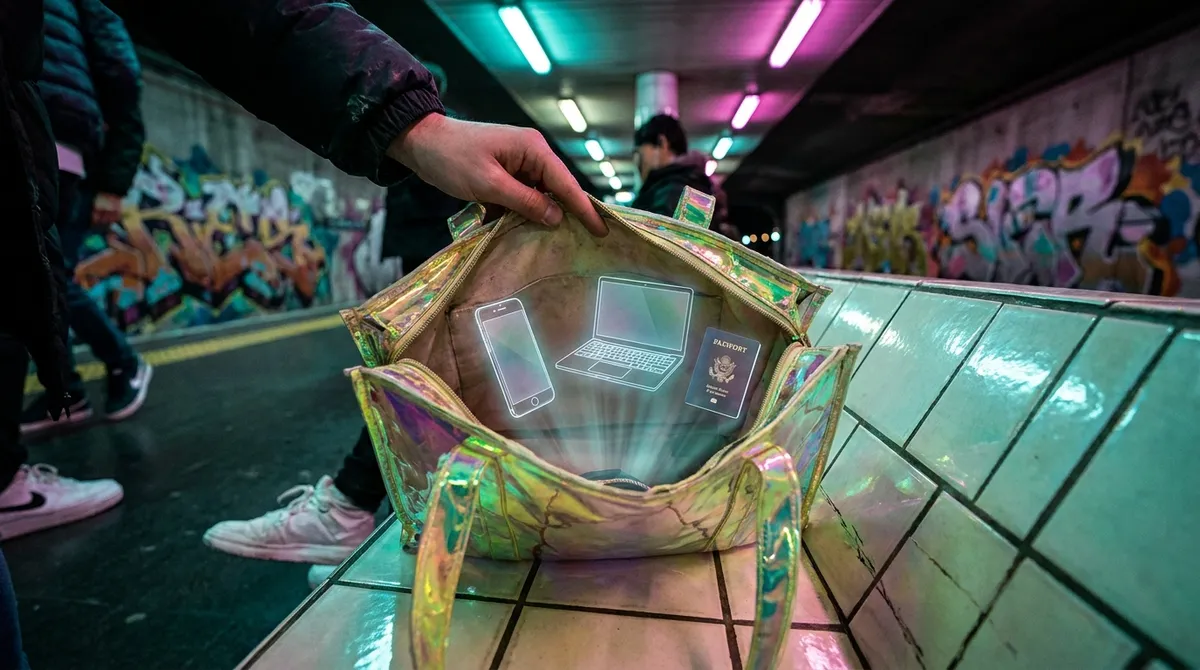
- The camera you travel with
- Your favorite designer bag or sneaker collection
Instead of assuming your standard renters or homeowners policy has your back, people are:
- Adding scheduled personal property (itemized coverage) for big-ticket items
- Checking for loss, theft, and accidental damage instead of just “named perils”
- Using standalone gadget or jewelry policies when their main policy is too limited
The viral takeaway: Screenshot your most expensive item, then your actual coverage details, and ask: “Could I replace this tomorrow if it vanished?” That question alone is making people upgrade in seconds.
2. Subscription Brain: Treat Insurance Like Spotify, Not a Cable Contract
The internet rewired our expectations. We cancel and switch streaming services in minutes—but keep the same dusty policy for 8 years?
The trend now is “subscription brain” for coverage:
- Shorter policy cycles and frequent check-ins (every 6–12 months)
- Shopping around when life changes: new city, new car, new job, new side hustle
- Swapping add-ons in or out like playlists: roadside assistance, rental car coverage, travel riders, pet coverage, cyber protection, etc.
You’re not stuck with the exact same bundle forever. People are:
- Turning off what they don’t need (e.g., rental car coverage if they don’t rent, or baggage coverage if they’re not traveling this year)
- Turning on what fits the season (e.g., more travel coverage in summer, better home coverage in storm season)
The new flex: “My policy fits my life this quarter—not 2019 me.”
3. Side Hustle Shield: Turning “Just a Little Extra Income” Into Protected Income
The hustle economy changed everything, but a lot of people are still using “for personal use” coverage for very not-personal money moves.
What’s trending now is the Side Hustle Shield mindset:
- If you deliver food, drive rideshare, or rent out a room, you’re checking for proper endorsements or commercial coverage
- If you sell on Etsy or Instagram, you’re looking into business liability so one angry customer doesn’t nuke your savings
- If you’re a freelancer or creator, you’re exploring professional liability and possibly business property coverage for your gear
Why people are sharing this: One viral horror story about a denied claim because the car, camera, or home was being used “for business purposes” is enough to wake everyone up.
Coverage glow-up moment: “If it makes you money, it deserves its own protection.” Screenshot that and tag your creator friends.
4. Digital-Life Defense: Covering the Part of Your Life That Actually Lives Online
Your “real life” is half online now: banking apps, social accounts, cloud storage, crypto wallets, password managers, digital receipts, the works.
Coverage is finally catching up, and people are hyped about:
- Identity theft insurance to handle fraud, stolen info, and hacked accounts
- Cyber coverage that helps if someone steals your info in a data breach or drains an account
- Fraud monitoring and restoration services that come bundled with certain policies or credit card benefits
What’s spreading fast in comment sections:
- Many home and renters policies now have optional cyber or identity theft add-ons
- Some employers include identity protection in benefits packages
- Certain banks and card issuers offer built-in protections and chargeback power
The shareable idea: “Your social media is more protected than your bank login if you only use two-factor on Instagram.” People are using that realization to push friends to add digital coverage to their financial plan.
5. Experience-First Protection: Trip, Ticket, and Event Coverage as a Lifestyle Move
We’ve entered the era of “experience > stuff”—but experiences can collapse fast if one thing goes wrong.
We’re talking:
- Trips canceled for health, weather, or airline chaos
- Concerts or festivals postponed
- Destination weddings, big parties, or nonrefundable experiences
The trend: building experience-first protection:
- Trip insurance that covers cancellations, delays, lost baggage, and medical emergencies abroad
- Event insurance for weddings, large parties, or big-ticket celebrations
- Refund protection through ticket platforms and some credit cards
Why it’s so shareable: Everyone has That One Story about a ruined trip or lost ticket money. The new vibe is:
“Flights booked. Hotel locked. Insurance added. Now I can actually enjoy this.”
Screenshots of “refunded: $1,137 thanks to travel insurance” are turning skeptics into believers overnight.
Conclusion
Coverage used to be a silent line item you auto-paid and ignored. Now, it’s a strategy:
- Micro-cover the things that actually matter
- Treat policies like subscriptions you can remix
- Respect your side hustle with real protection
- Guard your digital life, not just your front door
- Wrap your experiences in coverage so the memories, not the mishaps, stand out
If you’ve been in “set it and forget it” mode, this is your sign to open your apps, pull your policies, and start your Coverage Remix. Share this with the friend who’s always traveling, always hustling, or always buying the latest tech—but still saying, “I’ll figure insurance out later.”
Later is now.
Sources
- National Association of Insurance Commissioners (NAIC) – Consumer Insurance Guides - Clear explanations of renters, homeowners, auto, and other coverage types, plus tips on reviewing and adjusting policies
- USA.gov – Insurance - U.S. government overview of major insurance categories, rights, and consumer protections
- Federal Trade Commission – Identity Theft - Guidance on protecting against identity theft, recovering from fraud, and understanding related services
- U.S. Department of State – Travel Insurance & Medical Evacuation - Official advice on why travel and medical evacuation coverage matter for trips abroad
- Insurance Information Institute – Home-Based Business and Side Hustle Coverage - Details on when personal policies fall short and what extra coverage side hustlers and home-based businesses may need
Key Takeaway
The most important thing to remember from this article is that this information can change how you think about Coverage Guide.