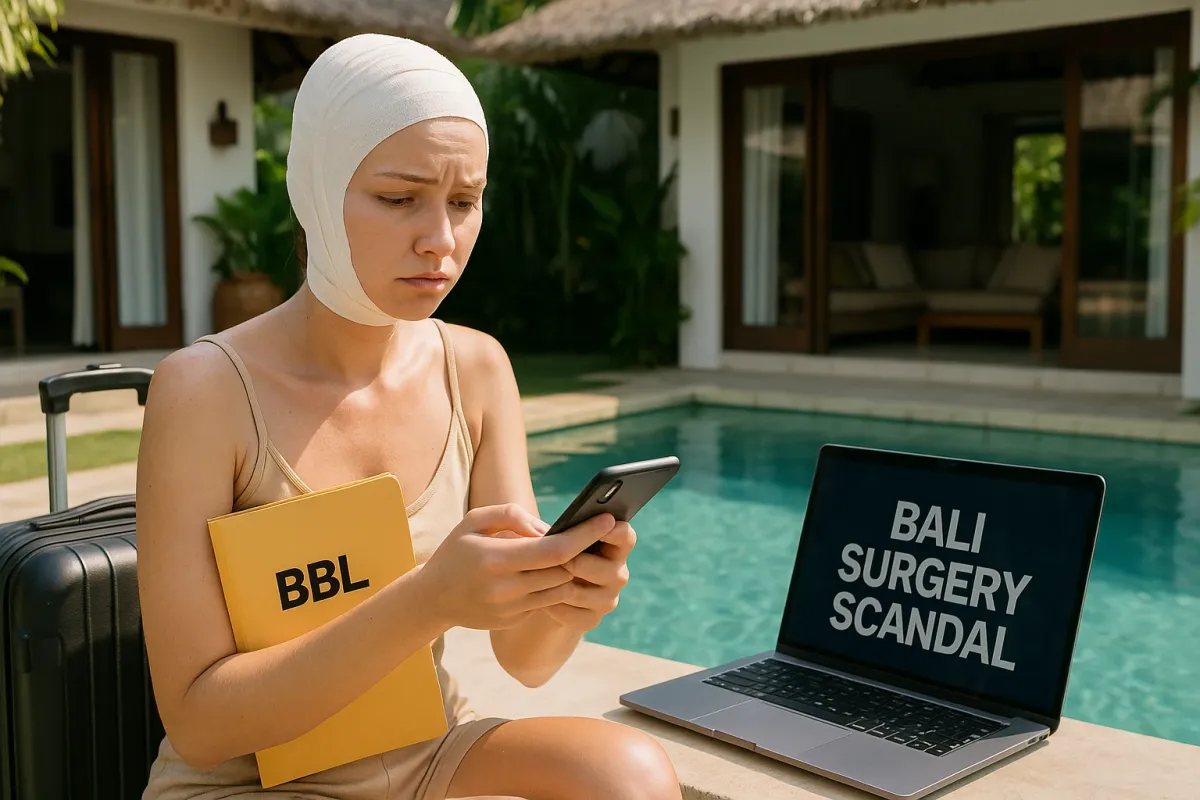
Cosmetic drama is everywhere right now—Kylie Jenner–inspired makeovers, viral “snatched” transformations, and even that headline about the 31‑year‑old mom on life support after flying to Vietnam for plastic surgery. Add in Bali’s latest adult‑content controversy with creator Bonnie Blue facing serious legal heat, and there’s one loud reality check: chasing a glow‑up or quick cash overseas can wreck your life and your wallet if your coverage is trash.
If you’re booking surgery in another country, flying out for “content trips,” or mixing travel with side‑hustles that live on OnlyFans, TikTok, or adult platforms, your basic insurance is probably miles behind your lifestyle. Let’s break down what’s actually covered, what’s absolutely not, and how to avoid going viral for the worst reason imaginable: a denied claim.
1. “Medical Tourism” Isn’t A Cute Hashtag To Your Insurer
The story: A 31‑year‑old mom reportedly went to Vietnam to get Kylie‑inspired cosmetic surgery and ended up on life support. That’s tragic—but from an insurance angle, it’s also a disaster waiting to happen.
Here’s the ugly truth: most standard health plans in the U.S., UK, Canada, and beyond treat elective cosmetic surgery as a big, fat nope—especially if you cross a border to get it on the cheap. Travel insurance usually has fine print that screams “NO” to procedures you choose to have (BBLs, lipo, breast augmentations, facelifts, etc.), even if you tell yourself they’re “medically necessary.” If complications hit—blood clots, infections, organ damage—you might find out your policy classifies them as a consequence of an excluded procedure. Translation: that ICU bill in a foreign hospital? All you. And medical evacuation back home can cost more than a luxury car. If your glow‑up plan includes a passport stamp, you need to hunt for specialized medical tourism coverage—the boring, unsexy step almost nobody posts on Instagram, but everyone wishes they had when things go sideways.
2. “Complication Coverage” Is Real—But You Have To Ask For It
Here’s a phrase influencers rarely drop in their surgery vlogs: complication coverage rider. Yet it’s the difference between “my recovery was rough” and “I just lost my savings and my sanity.”
Some surgeons and clinics (especially in popular hubs like Turkey, Mexico, Brazil, and Southeast Asia) work with third‑party insurers that sell add‑on policies specifically for cosmetic procedures. These can help cover things like extended hospital stays, emergency re‑ops, and in some cases, flights home if you medically can’t travel on a normal ticket. But there’s a catch: you usually have to buy it before the surgery, and you need to read it like a lawyer on espresso. Does it cover only surgeon error? Any complication? What about infections that show up after you’re back home? Some policies quietly exclude “known risks” of the surgery—aka the exact things most people experience when something goes wrong. If you’re putting your body (and brand) on the line for a transformation, ask directly:
- “Is there a dedicated coverage option for complications?”
- “Who is the insurer and can I see the full policy?”
- “What’s the max payout and what’s excluded?”
If the answers are shady or rushed, that’s your sign to reconsider the whole trip, not just the surgeon.
3. Side‑Hustle, Spicy Content, Zero Coverage? That’s A Common Trap
While a plastic surgery story is dominating feeds, another headline is blowing up too: adult creator Bonnie Blue facing up to 15 years in Bali after filming explicit content allegedly against local law. Two different worlds—same core issue: people are turning their bodies and personal brand into income without realizing insurance treats that as a business, not a hobby.
If you make money from your image—OnlyFans, private subscription sites, adult content, modeling, or even brand deals—you’re in a gray zone unless you upgrade your coverage. Standard travel insurance often excludes “professional activities” and illegal or prohibited activities. Shoot a paid scene in a country where it’s banned? Your coverage may vanish the second you press record, whether you’re dealing with legal trouble, assault, theft of gear, or a medical emergency mid‑trip. Even at home, your regular renters or homeowners policy probably doesn’t cover your content gear or potential liability if someone sues over your content. That’s where creator‑focused or professional liability policies come in—yes, they exist, and yes, you probably need at least a basic one if your content pays your rent. Turning your life into a brand is a power move—but if you don’t insure the brand, one scandal or arrest can burn it all down.
4. Crossing Borders? Your Rights Shift, And So Does Your Coverage
Vietnam’s surgery case and Bali’s content scandal both have one thing in common: local law beats your assumptions. Your home country’s protections don’t cross the border with you just because your passport looks powerful.
In medical tourism, regulations can be looser, malpractice laws weaker, and patient protections minimal or expensive to fight for. Many travel insurance policies quietly say they don’t cover anything related to illegal acts, even if you didn’t realize you were breaking a rule. Filming explicit content where it’s heavily regulated? Drinking and driving? Using banned substances? If local police get involved, your insurer may walk away, citing breach of conditions. Plus, in some destinations, hospitals will demand cash or a card up front, even if you “have insurance.” No payment, no treatment—that’s a reality many gloss over. Before you book that surgical package or “content creation retreat,” look up:
- Local laws on sex work, adult content, public decency
- Hospital standards and whether they accept your insurer’s guarantees
- How your policy defines “illegal acts,” “hazardous activities,” and “elective procedures”
If your dream trip leans even slightly into a legal gray area, assume your basic coverage is fragile at best.
5. The Real Power Move: Build A “Lifestyle‑Level” Coverage Stack
The old playbook—basic health insurance, maybe a random travel policy—isn’t built for the 2025 reality where the same person is a remote worker, casual creator, medical tourist, part‑time digital nomad, and full‑time risk‑taker. If your lifestyle is trending, your coverage should trend up too.
Think of coverage like a stack, not a single policy. Your base is your main health insurance—check: does it cover complications from surgery done abroad? (Often: no.) Next, layer in medical evacuation coverage that isn’t tied to whether the original procedure was elective. Then add trip‑specific protection if you’re leaving the country: look for plans that explicitly address medical tourism or at least don’t auto‑exclude complications. If your income depends on your face, body, or content, explore income protection, creator insurance, or professional liability to buffer against cancellations, legal claims, or long recoveries. Finally, document everything: pre‑op clearances, messages with clinics, contracts, consents, and proof you followed medical advice. In a claims fight, receipts are your best friend. The future of coverage isn’t “Do I have insurance?” It’s “Does my insurance match the risks I’m actually taking?”
Conclusion
Today’s headlines aren’t just gossip— they’re warnings in neon. A Kylie‑inspired surgery trip turning into life support in Vietnam. An adult creator facing prison time in Bali. In both stories, the real villain is the gap between how people live and how they’re covered.
If your plans include flying out for a body upgrade, building a spicy side‑hustle, or turning your life into content, it’s not enough to ask, “What’s the worst that could happen?” You need to ask, “Who pays if it does?” Before you book, film, or sign anything, do the most underrated glow‑up move of 2025: audit your coverage like your future depends on it—because it absolutely does.
Key Takeaway
The most important thing to remember from this article is that this information can change how you think about Coverage Guide.